

























The Current Administration and the Need for a Breath of Fresh Air in Enugu State
For decades, the people of Enugu State have continued to hope for a government that truly understands the daily struggles of ordinary citizens. From traders in Ogbete Market to transport workers, artisans, civil servants, students, landlords, and rural dwellers, the expectation has always been simple: leadership that improves lives, creates opportunities, reduces hardship, and delivers genuine development across all parts of the state.
However, many residents believe that the current administration has fallen short of these expectations in several critical areas. Rather than building an inclusive economy that empowers the people, critics argue that governance has leaned heavily toward aggressive taxation, media-driven narratives, and projects that appear disconnected from the immediate realities of the average citizen.
One of the most persistent concerns across the state is the issue of rising tax pressure on small and medium-scale businesses. Traders, transport operators, private school proprietors, landlords, and petty business owners have repeatedly expressed frustration over what they describe as an increasingly burdensome tax environment.
In many communities, businesses are struggling under multiple levies and stringent revenue collection measures. Small-scale entrepreneurs, already grappling with inflation and economic uncertainty, now face additional strain that threatens their survival. Critics argue that instead of fostering an enabling environment for entrepreneurship and investment, current policies risk stifling local enterprise and slowing economic growth. There are also concerns that increased financial pressure on private institutions, such as schools, ultimately transfers additional burdens to families.
While the administration maintains that its approach is focused on expanding the tax net and improving efficiency in revenue collection, many residents insist that the lived reality suggests otherwise.
Beyond taxation, concerns have also been raised about uneven development. While visible projects are concentrated within the state capital, many rural communities continue to face challenges such as poor road infrastructure, limited access to potable water, inadequate healthcare facilities, and weak public services. Despite the vision of a modern, technology-driven state, several areas still struggle with basic developmental needs, including erosion control, electricity supply, employment opportunities, and security.
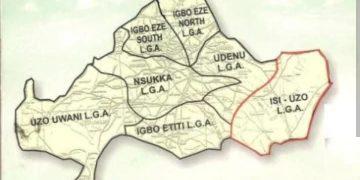
Critics further contend that governance should not be measured solely by announcements or public relations efforts, but by tangible improvements in the everyday lives of citizens. Many believe that, despite increased revenues, the impact of governance has not been evenly felt across all 17 local government areas.
The administration’s widely publicized education initiatives, particularly the Smart School programme, have also attracted mixed reactions. While the vision of modernizing education is commendable, concerns have been raised regarding implementation, quality, transparency, and consistency across project sites. Questions around execution standards and accountability continue to shape public discourse on the initiative.
At its core, the demand from the people of Enugu State remains clear: beyond ambitious concepts and branding, there is a need for practical governance that directly improves quality of life. Citizens seek functional healthcare systems, well-equipped schools with qualified teachers, accessible clean water, improved rural infrastructure, enhanced security, and policies that support, not burden businesses.
This growing sentiment has fueled calls for a new direction in leadership.
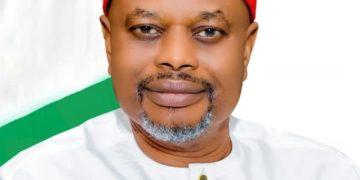
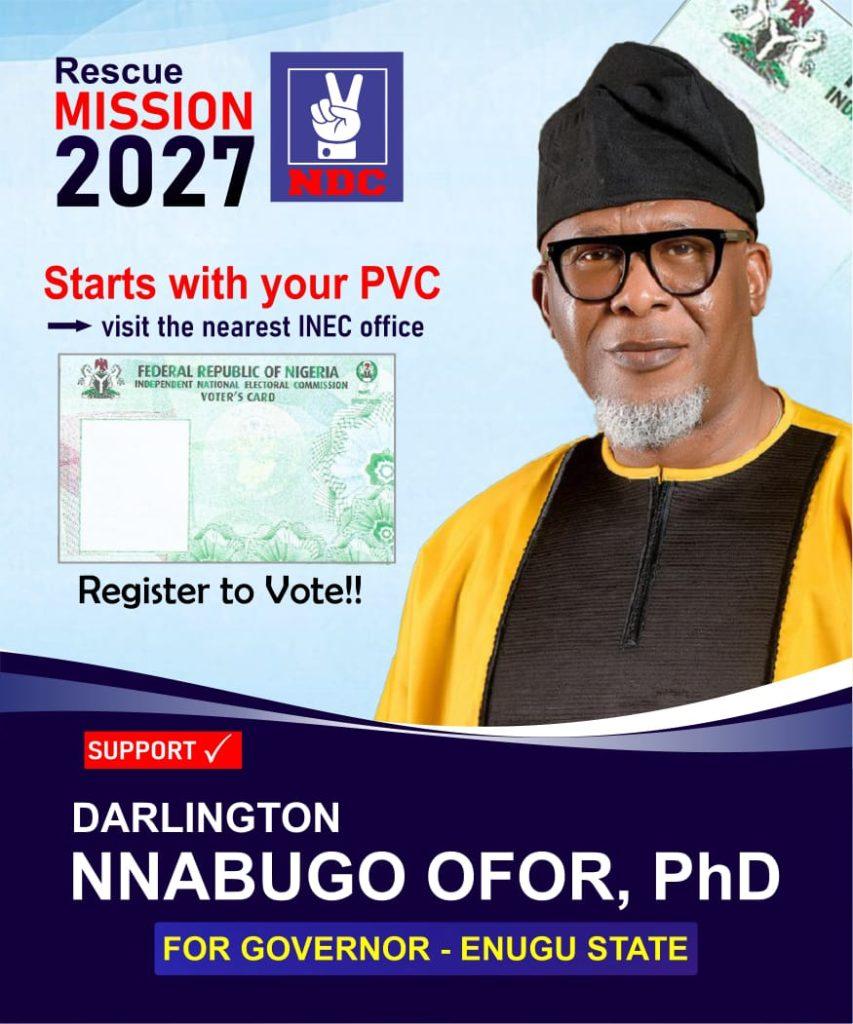
Many now see Dr. Darlington Ofor as representing a fresh perspective and a potential shift toward people-centered governance. Positioned as part of a new generation of leadership, his approach emphasizes transparency, accountability, economic empowerment, and practical, results-driven development.
His vision places strong focus on creating an enabling environment for businesses to thrive, rather than overburdening them. This includes support for small enterprises, improved market infrastructure, access to funding opportunities, and job creation initiatives targeted at the youth population.
In addition, his development philosophy advocates for balanced growth across both urban and rural areas. Every community, regardless of location, should benefit from quality infrastructure, healthcare, education, and economic opportunities.
On education, the emphasis is on substance over symbolism, prioritizing well-trained teachers, functional learning environments, accessible resources, and skills development aligned with modern economic realities.
Healthcare delivery, within this vision, focuses on strengthening primary healthcare systems, improving affordability, and enhancing the welfare of medical personnel to ensure effective service delivery.
Above all, this alternative leadership narrative resonates with a growing population of young people seeking change, those who desire innovation, inclusiveness, and a government that listens and responds to their needs.
The future of Enugu State, many believe, must move beyond familiar patterns toward a model of governance that is responsive, inclusive, and impactful. The aspiration is for leadership that empowers rather than constrains, develops rather than neglects, and restores public confidence in governance.
A new direction, anchored on trust, service, and measurable impact, is increasingly seen as essential to unlocking the full potential of Enugu State.
Written by:
Ngozi Azode
National Mobilizer and South East Coordinator
Obidient People’s Movement