


















Unicef, media experts charge Journalists to sustain child rights reportage
By Mimi Chiadikaobi
The United Nations Children’s Fund, (UNICEF,) and its partners have urged journalists in Nigeria to adopt ethical, fact-based reporting that protects children’s rights and dignity in line with provisions of the UN Charter and the Child Rights Act.
The call was made during a keynote address presented by the Chief Field Officer for UNICEF’s Enugu Field Office, Juliet Chiluwe at a two-day zonal workshop held in Port Harcourt, Rivers State.
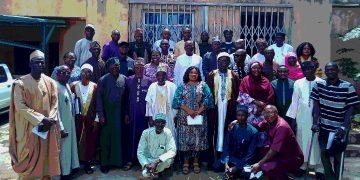
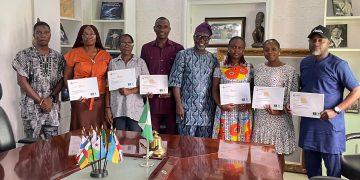
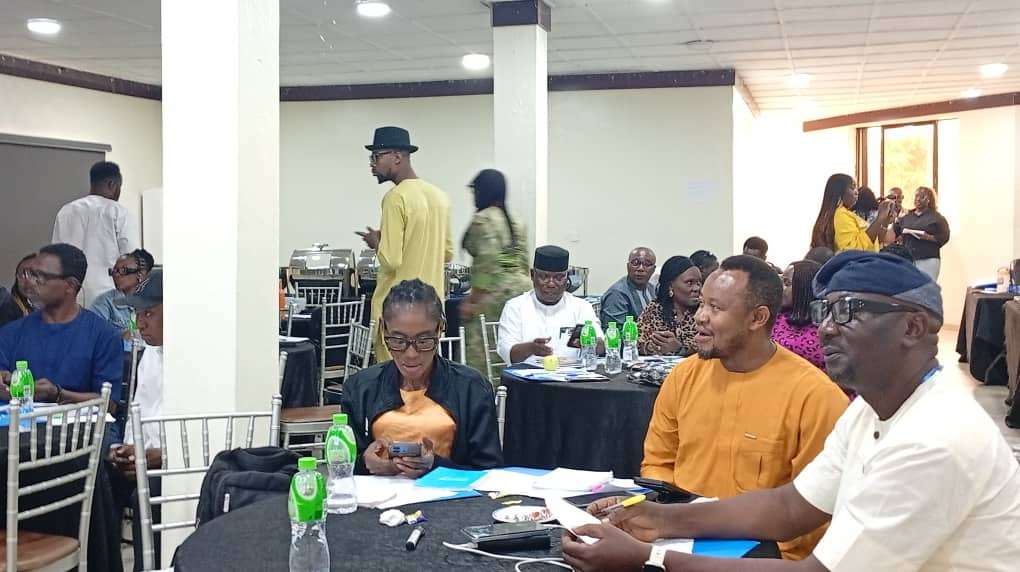
The training, organised by UNICEF in partnership with the Broadcasting Corporation of Abia State BCA, brought together 40 media practitioners from the South-South, South-East and the North-Central regions of the country to review principles of ethical journalism and deepen focus on rights-based reporting on children and also equip them with the skills and ethical principles necessary for reporting stories involving children, especially those affected by insecurity and violence.
In her keynote address, the Chief Field Officer for UNICEF’s Enugu Field Office, Chiluwe described ethical reporting on children as “a vital service to democracy and to the community,” emphasising that journalists must prioritise the best interests of children over sensationalism.
“Ethical journalism builds trust, protects the vulnerable, and strengthens social cohesion. Children require special protection in the media space because of their vulnerability.
Ethical reporting includes safeguarding their identities, avoiding stigmatisation, and ensuring they are not re-traumatised through coverage.
“It means giving children a voice in a safe and respectful manner, with dignity and consent, while prioritising their best interests,” she said.
“A sensational headline might sell, but an ethical story protects a child’s right to a future free from shame and harm.”
She appealed against publishing names, photographs, or any identifying information of children affected by violence, conflict, or abuse, noting that such actions can re-traumatise victims, stigmatise families, and cause long-term harm.
She also urged journalists to support ongoing efforts to enforce laws protecting children’s rights, warning that individuals who share harmful content about children online may face prosecution.
Chiluwe also called on journalists to go beyond event-based reporting and undertake investigative stories that amplify children’s voices and highlight the successes and shortcomings in humanitarian interventions.
“The society counts on the quality of your reports to shape the national conversation around children. Your pen can either protect or expose them,” he said.
He expressed optimism that the training would result in stronger, more impactful storytelling on child rights from the region.
UNICEF reiterated its commitment to working closely with the media and other partners like BCA to promote the well-being of children across the country, stressing that child-focused journalism remains central to changing the narrative in all of Nigeria’s most vulnerable region.
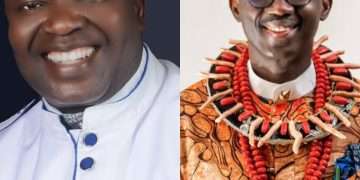
Earlier in his welcome address,the Director-General of Broadcasting Corporation of Abia State, BCA, Apostle Francis Nwubani, urged journalists to treat ethical reporting of children as a moral obligation.
Nwubani said media professionals must avoid sensationalism and protect the identity, dignity and safety of children in their reports.
He acknowledged the contributions of media professionals and child rights advocates across the country, noting that while progress has been made in spotlighting child-related issues, much more needs to be done to ensure Nigerian children grow up in a safe and dignified environment.
“The way we report a child who is a victim of violence or abuse can either aid their recovery or deepen their trauma,”* he said.
While commending UNICEF Enugu Field Office for the partnership, the DG charged journalists from the 10 states including Abia, cross Rivers, Imo, Benue, Port Harcourt,Anambra, Delta, Ebonyi, kogi and Enugu to ask: “Will this report protect or endanger the child?” before publication.
Outlining the objectives of the training programme, the Assistant Director, Child Rights International Bureau, CRIB, Federal Ministry of Information, Abuja Mr. Temitoye Falayi, said the workshop is designed to equip journalists with legal, ethical and practical tools for reporting on children.
He said participants are expected to understand the Child Rights Act and international conventions*, identify and mitigate risks to children’s safety and privacy, and apply best practices in interviewing children and handling sensitive information.
Falayi added that journalists will also learn to report critically on child abuse, exploitation, education, health and conflict without sensationalism, while using compelling storytelling to advocate for children’s rights.
He said at the end of the training programme, participants are expected to improved quality of media coverage, better protection of children’s dignity in reports, greater public awareness on child rights issues, and the building of a network of journalists committed to ethical reporting.
The two-day workshop featured sessions covering practical case studies, legal frameworks, and professional standards for ethical child reporting in Nigeria’s complex security and cultural landscape.
The event ended on Thursdays with lots of knowledge garnered by participants with a promise to reflect the lessons learnt in their reports in child related issues henceforth.
Speaking Ms Constance Iroele, from kids I’m 101.7,PortHarcourt Broadcast journalists, expressed satisfaction in the UNICEF and partners efforts to gather journalists on such an important training
She urged that more hand of training should be extended to broadcasters who do not know the right protocol in reporting child rights issues.