






By Victor Okoye, News Agency of Nigeria (NAN)
Recognition, when timely and credible, does more than celebrate an individual; it validates ideas sustained by decades of conviction and service.
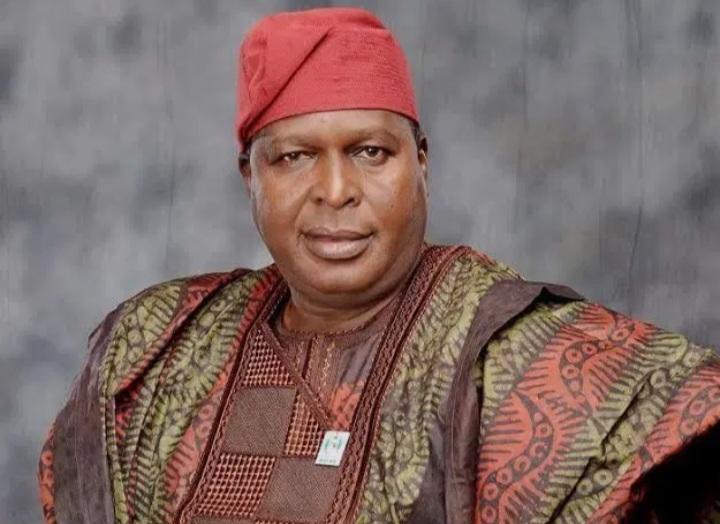
Such recognition recently came for Otunba Olusegun Runsewe, one of Africa’s most enduring cultural advocates.
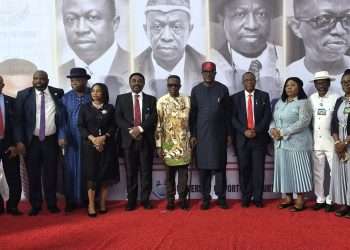
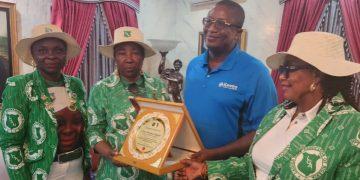
The World Crafts Council honoured Runsewe as Icon of Crafts, Culture and Hospitality in Africa at the 2nd World Crafts Forum in Kuwait.
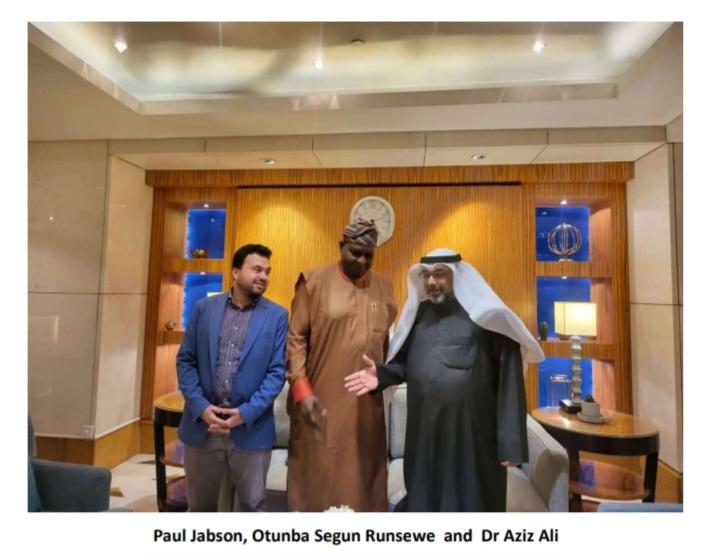
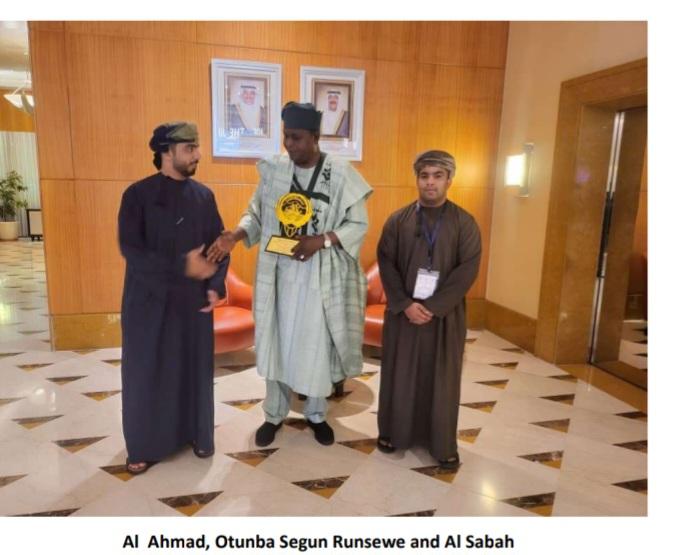
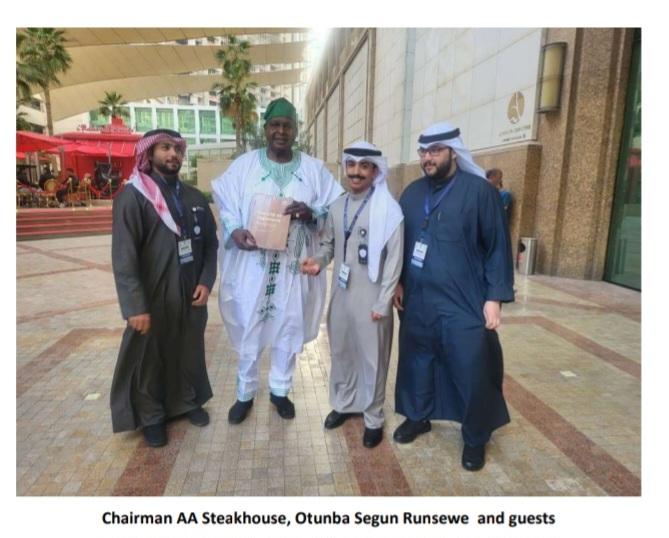
The forum attracted policymakers, artisans and cultural leaders from over 60 countries across Africa, Europe, Asia and the Americas.
The honour represents global acknowledgment of Africa’s cultural relevance in a rapidly digitising world. According to UNESCO, the global creative economy generates over 2.25 trillion dollars annually, employing nearly 30 million people worldwide.
Africa’s creative sector, though underreported, employs millions through crafts, festivals, heritage tourism and informal cultural enterprises.
Runsewe’s career in arts, culture and tourism spans over three decades of deliberate and consistent advocacy. His approach has prioritised sustainable impact over spectacle and policy continuity over personal acclaim.
Over the years, he has reframed African crafts from souvenirs into symbols of history, identity and economic dignity.
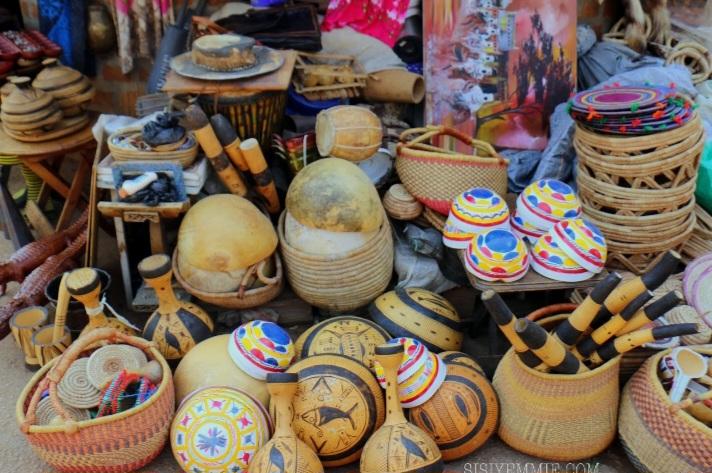
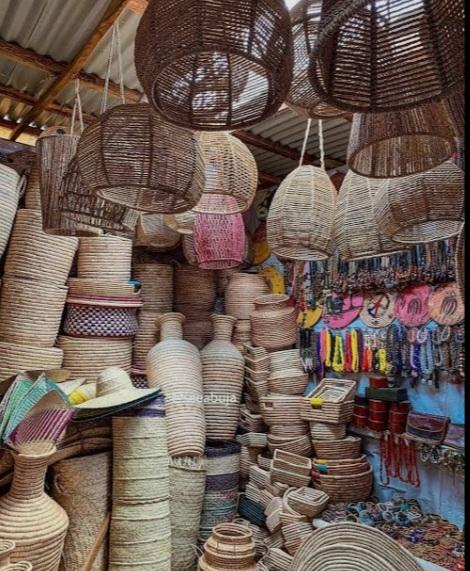
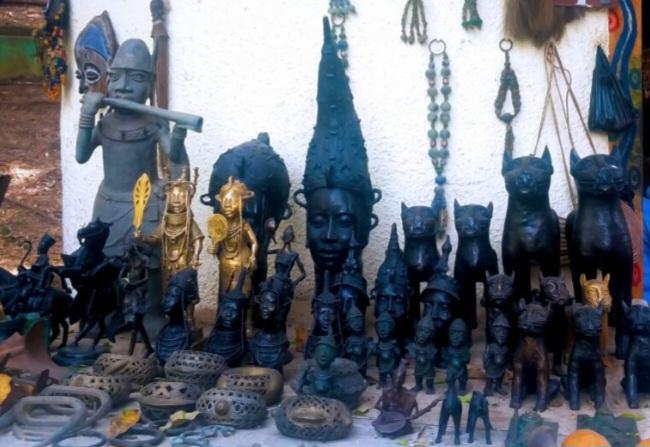
The award reflects decades of advocacy for artisans whose stories live through wood, clay, fabric, beads and metal.
African crafts are living archives of civilisation, preserving memory, belief systems and indigenous knowledge.
Runsewe understood early that culture, when properly managed, can drive tourism, jobs and international goodwill.
The World Tourism Organisation estimates tourism accounts for one in every ten jobs globally. Nigeria’s cultural assets, experts say, remain among the country’s most underutilised economic resources.
As former Director-General of the Nigerian Tourism Development Corporation (NTDC), Runsewe championed cultural tourism marketing.
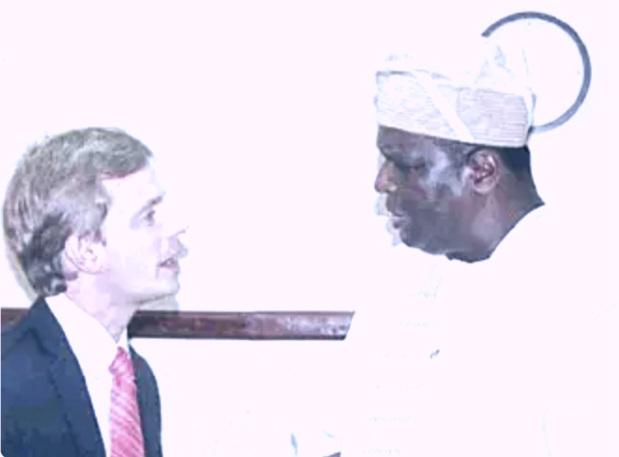
His “Tourism is Life” campaign gave Nigeria unprecedented visibility at global tourism fairs. These included FITUR Madrid, ITB Berlin, World Travel Market London and Arabian Travel Market Dubai.
Nigeria’s Tourism Village at the 2010 World Cup in South Africa won international acclaim under his leadership. Nigeria also showcased its arts and culture at the 2018 World Cup in Russia.
Runsewe later assumed office as Director-General of the National Council for Arts and Culture (NCAC) in 2017. Under his leadership, NCAC repositioned culture as a tool for unity, peace and socio-economic development.
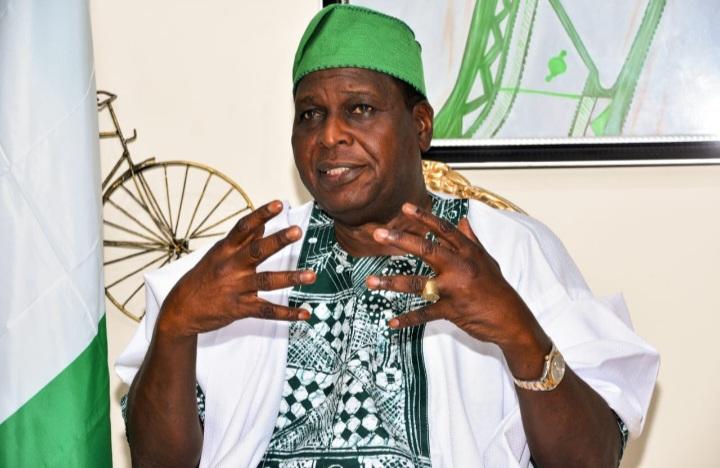
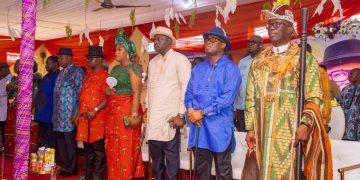
Participation and attendance at the National Festival of Arts and Culture (NAFEST) increased significantly nationwide. NAFEST has since become one of Nigeria’s strongest platforms for inter-cultural dialogue and national cohesion.
Beyond festivals, Runsewe expanded skills acquisition programmes targeting youths and women. Thousands have benefited from NCAC-supported training in crafts, fashion, performance and cultural entrepreneurship.
According to the African Development Bank, creative industries could contribute over 20 billion dollars annually to Africa’s economy with proper investment.
Runsewe also initiated the “37 Cultural Wonders of Nigeria,” encouraging states to develop unique cultural products.
Internationally, Runsewe serves as President of the World Crafts Council, Africa Region. He is also Chairman, Africa-China Culture and Arts Exchange Society.
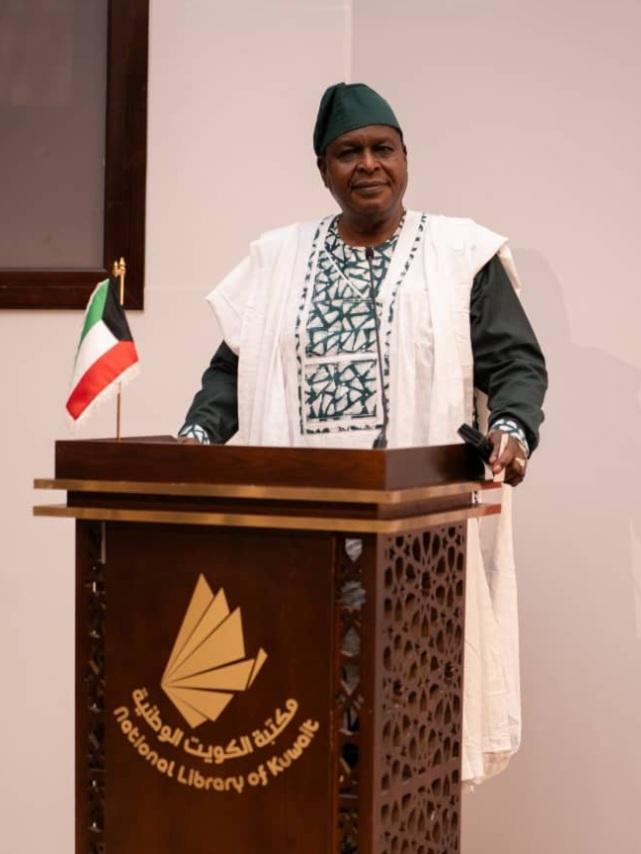
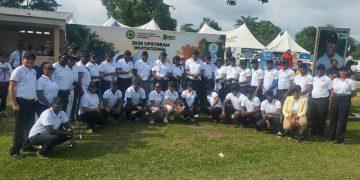
In sports administration, he is President of the Nigeria Golf Federation. Within one month in office, he introduced the World Handicap System in Nigerian golf.
He also convened Nigeria’s first-ever National Stakeholders’ Conference on Golf. Runsewe’s accolades reflect the breadth of his contributions across culture, tourism and sports.


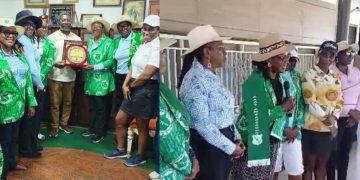
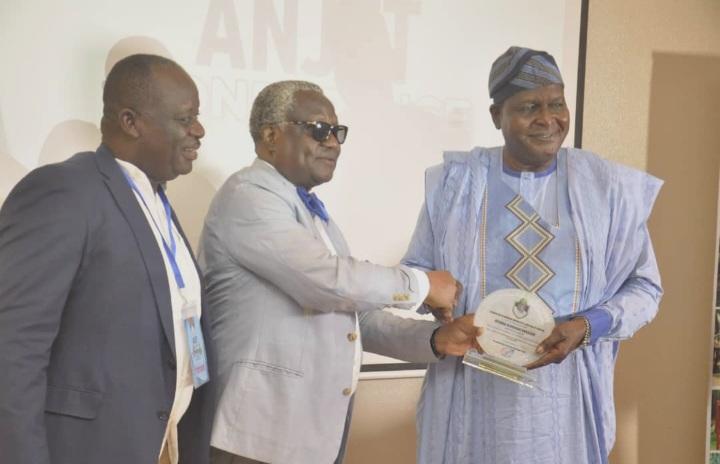
He holds the national honour of Officer of the Order of the Niger (OON). He has received the Pillar of Nigerian Culture and Tourism Award from ANJET.
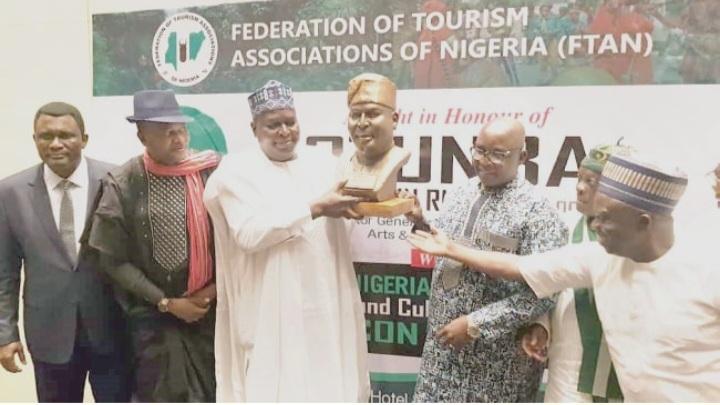
The Federation of Tourism Associations of Nigeria honoured him with the Nigerian Tourism and Culture Brand Icon Award. FTAN instituted the award in his honour during its maiden edition.
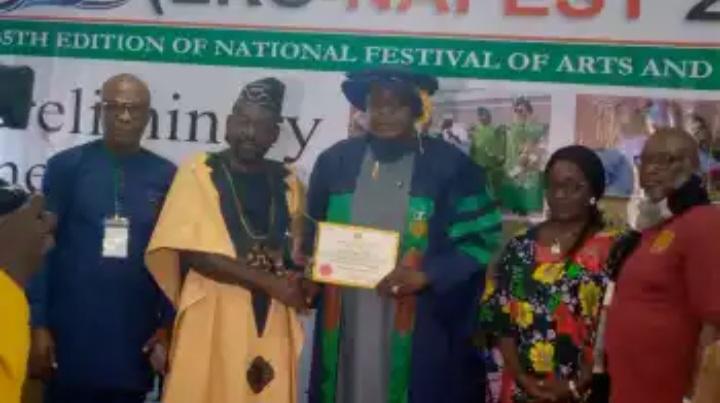
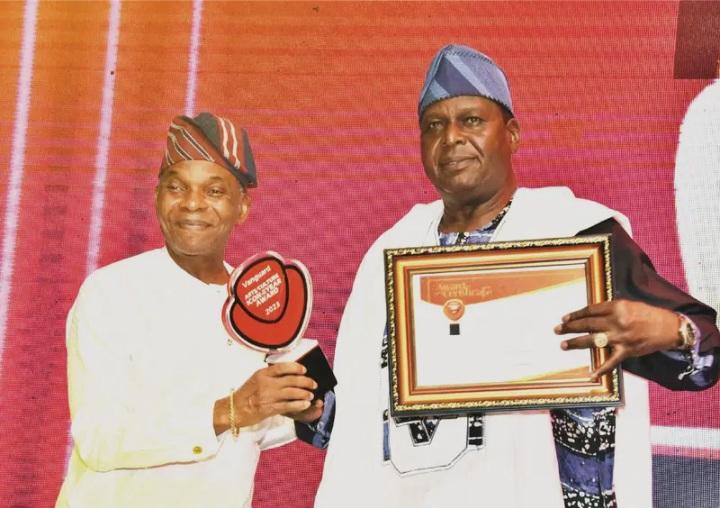
He has also received multiple recognitions from cultural institutions, tourism associations and international bodies.
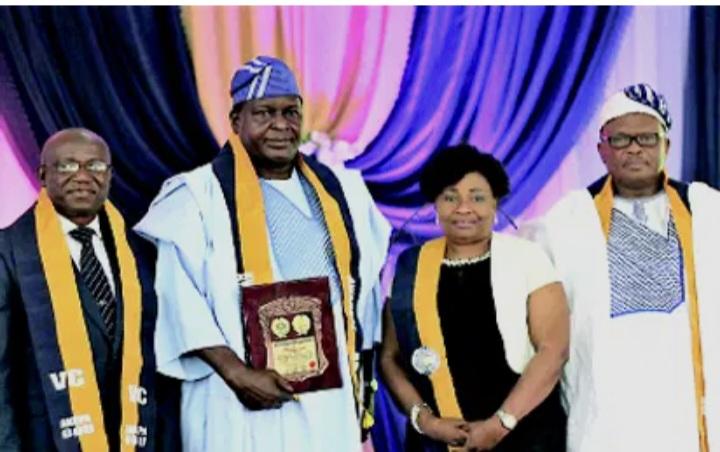
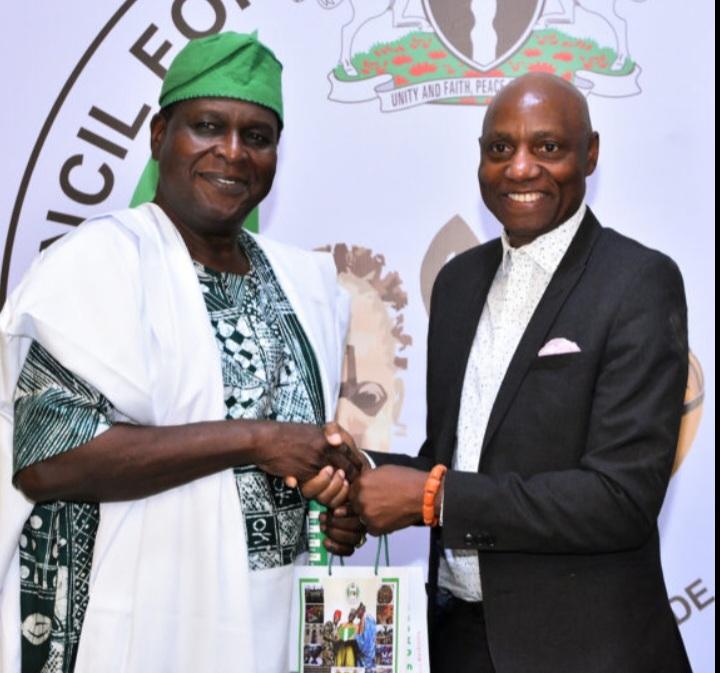
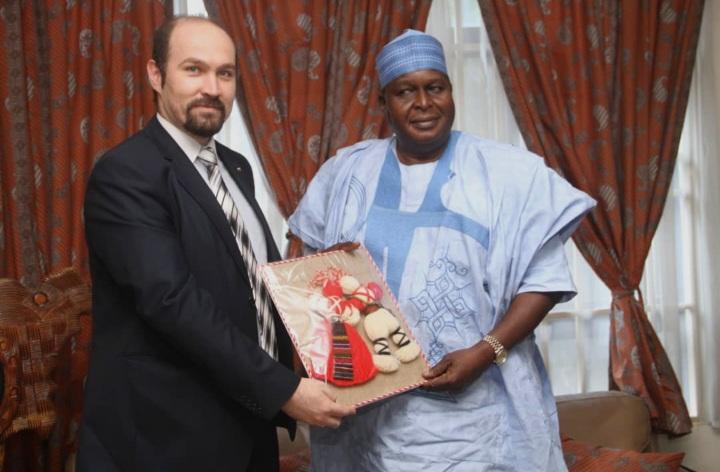
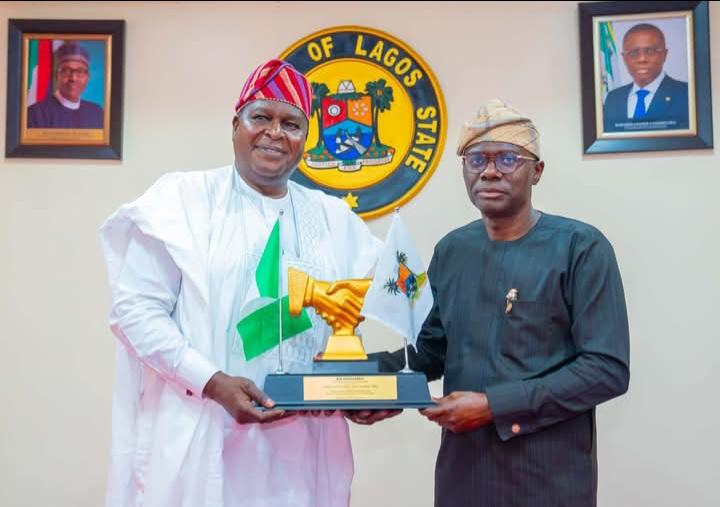
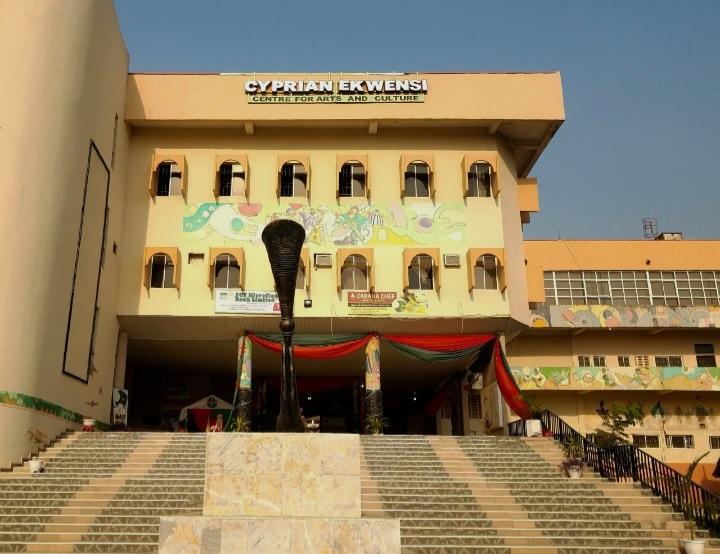
Runsewe’s work extends to infrastructure preservation. He led the recovery and renovation of the Abuja Arts and Culture Market. The 2.5-hectare facility, valued at N9.8 billion naira, had faced encroachment before his intervention. Today, it is evolving into a major cultural and tourism destination in Abuja.
Runsewe describes culture as Nigeria’s most powerful soft power asset. In an era where power transcends arms and resources, cultural capital now shapes global influence. Cultural diplomacy builds bridges where politics often falters.
As Africa engages the world, its stories must be told with confidence and authenticity. Runsewe’s recognition challenges Nigeria to invest more seriously in cultural institutions and practitioners.
Too often, artisans work in obscurity despite their economic and historical value. Such honours should inspire renewed policy focus and private sector investment.
They should also encourage African youth to see creativity as a respected career path. Africa’s future lies not only in extraction, but in creation and expression.
Runsewe’s journey proves cultural leadership demands patience, vision and faith in heritage.
His honour belongs equally to Africa’s countless craftsmen and women preserving civilisation daily.
As the continent asserts itself globally, culture must remain central. Champions like Olusegun Runsewe remind Africa—and the world—why. (NAN)