





























Port Harcourt – The Foundation for Partnership Initiatives in the Niger Delta (PIND) says the rollout of Host Community Development Trust (HCDT) is yielding results in the implementation of the Petroleum Industry Act (PIA) in host communities.
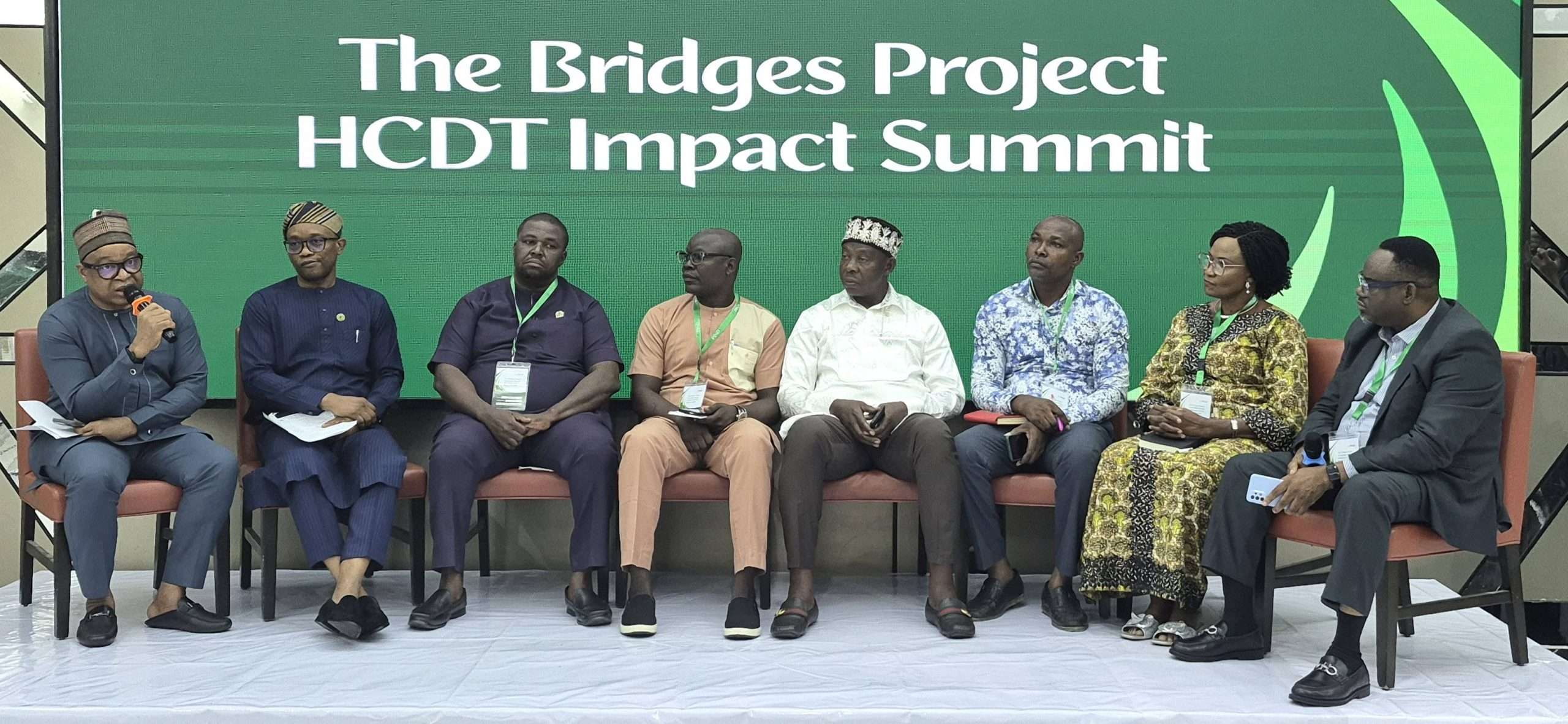
Dr Effiong Essien, PIND Programmes Director, disclosed this at the Bridges Project HCDT Impact Summit and Closeout on Friday in Port Harcourt.
Essien said the implementation of the PIA in the region was accelerated through the establishment of HCDTs in collaboration with PIND and the Ford Foundation.
He said the collaboration helped stakeholders understand the implications of the PIA and enabled communities, regulators and HCDTs to engage regularly on issues relating to its implementation.
According to him, effective governance and understanding of stakeholders’ responsibilities were critical to ensuring that resources were converted into meaningful community development.
“The project brought stakeholders together to understand their expectations, challenges and implementation gaps, while helping to reduce challenges and improve understanding of the implication of the PIA.
“To this end, it has helped stakeholders understand governance, constitutional and operational issues affecting HCDTs established under the PIA,” he said.
Essien said the summit was organised as a transition mechanism to translate lessons learnt into improved practices, urging stakeholders not to regard the project’s closeout as the end of the knowledge, relationships and capacities developed.
He said although the project was closing, the knowledge, relationships, partnerships and lessons it created should continue to support better practices and greater impact.
“The project had achieved its objective of improving understanding of the PIA and strengthening collaboration around HCDT development,” he said.

Also speaking, Prof. Femi Ajibola, National Chairman, Multi-stakeholder Platform of the Bridges Project, urged stakeholders to sustain practices developed through the project.
He said the project identified potential challenges to PIA implementation and developed components to address them.
“The project trained Civil Society Organisations on how to conduct this assessment and how to develop community development plans,” he said.
He added that the project also established a multi-stakeholder platform where stakeholders could discuss challenges associated with PIA implementation.
Mr Ejiro Ufondu, Director, Host Community Administration Development at the Nigerian Upstream Petroleum Regulatory Commission (NUPRC), commended PIND and Ford Foundation for the framework.
Ufondu, represented by a Deputy Director in NUPRC, Mr Kingsley Ehiaguina, said more than 85 per cent of the incorporated HCDTs had been funded, with over 1,005 projects currently ongoing.
He said the projects had recorded significant progress and gains, noting that they were at various stages of implementation across the Niger Delta region.
According to him, collaboration, capacity building and awareness were critical to the effective implementation of the programme.
“NUPRC will continue to establish governance structures to ensure that every organ in the structure knows and understands their roles,” he assured.
Ufondu said NUPRC would continue working with relevant stakeholders to strengthen HCDT governance and improve implementation of community development programmes.
Confirming the impact of the HCDT programme, Mr Smart Okpara, Chairman, Emohua Local Government Area HCDT, said the community development projects had contributed to reduced youth restiveness in the Niger Delta.
Okpara said more than 28 projects were currently ongoing across communities in the area, while 12 have been completed.
Okpara also linked the improved relationship between host communities and operators to uninterrupted operations and increased oil production, noting that effective HCDT implementation reduced grievances that could trigger disruptions.
“The presence of the HCDT can be felt by everyone. We have not seen operations stop, and as such, youth restiveness has reduced in the Niger Delta.
“If the HCDTs were not working, the youths would have still gone back to the creeks to fight,” he said. (NAN)