































By Victor Okoye
Abuja, Sept. 5, 2025 (NAN) The Nigeria Association of National Professional Footballers (NANPF) has called on the Nigeria Football Federation (NFF), Nigeria Premier Football League (NPFL), Nigeria National League (NNL), and Nigeria Nationwide League One (NLO) to make safety and fan experience top priorities across all domestic match venues nationwide.
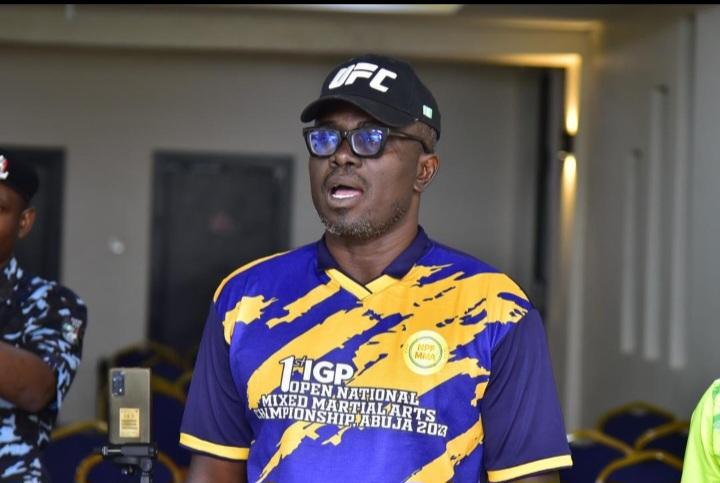
CSP Chijioke Kalu, Director of Player Safety and Security at NANPF, issued the call on Friday in Abuja, stressing the urgent need to create safer, more inclusive football environments for players, fans, and vulnerable groups, especially in the wake of crowd troubles that marred matches last season.

“The disturbing incident that occurred when Rangers hosted Enyimba International FC in Enugu must not repeat itself,” Kalu warned.
“We must move from reactive responses to proactive, system-wide safety planning at all league levels—from the NPFL to the grassroots NLO.
”He urged all stakeholders—especially clubs, stadium operators, and league organizers—to prioritize children, women, persons with disabilities (PWDs), and the elderly in their matchday planning and stadium management.
“Every fan, regardless of age, gender, or physical ability, should feel safe, welcome, and respected at our stadiums,” Kalu stated.
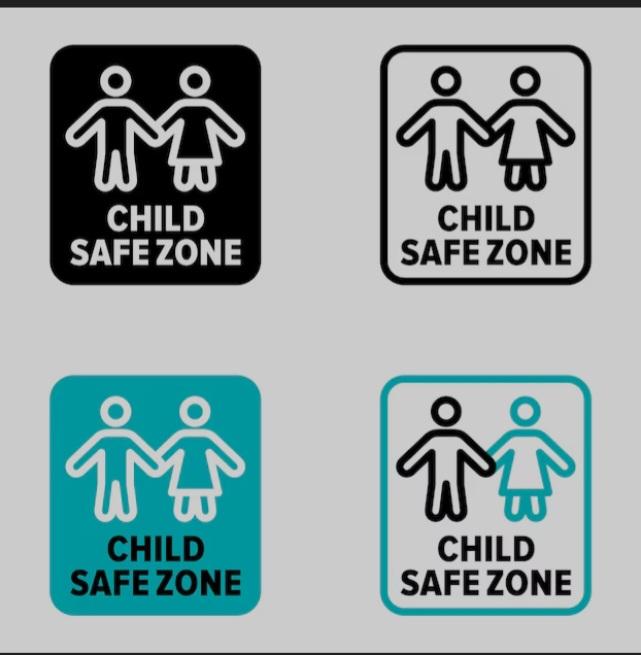
To this end, NANPF is recommending the implementation of clear signage around stadiums, including child-friendly zones, family seating areas, accessible entrances, and safety instructions in local languages.
Kalu also encouraged the development of a mobile-friendly digital platform to assist fans in real time with navigation, emergency contacts, and accessibility features.
“Technology should be used to improve not just ticketing and convenience, but also emergency response and inclusive access,” he said.
Kalu stressed the importance of working hand-in-hand with the Nigeria Police Force, NSCDC, emergency medical teams, and other relevant agencies before, during, and after matches.
He called for pre-match security briefings, crowd control plans, and on-ground simulations, especially ahead of high-stakes fixtures.
“Every club, no matter the league or location, must take full responsibility for the safety of its fans and players,” Kalu noted.
“We are advocating for coordinated emergency preparedness plans that are reviewed and tested regularly.”
He acknowledged that a few stadiums, like the Godswill Akpabio International Stadium in Uyo, have shown what is possible in terms of infrastructure and crowd control. However, he emphasized that all match venues—urban and rural—must be brought up to standard.

“It’s not enough to have world-class venues in a few cities. Fans in Kano, Aba, Ilorin, Gombe, Warri, or Sagamu deserve the same level of safety and dignity as those in Abuja or Uyo,” he said.
To ease congestion and assist vulnerable fans, NANPF is recommending the deployment of trained volunteers and matchday stewards at entry and exit points.
These personnel would assist children, pregnant women, the elderly, and PWDs in navigating stadium facilities safely.
“Creating a safe matchday experience is everyone’s responsibility, and clubs must take the lead in this,” Kalu added.
He concluded by reaffirming NANPF’s commitment to working closely with clubs, local government authorities, and league bodies to ensure that violence, overcrowding, and poor safety standards no longer define Nigerian football venues.
“We want our domestic leagues to thrive—not just because of the talent on the pitch, but because fans feel protected and valued in the stands,” Kalu said.
NANPF’s recommendations are part of its ongoing League Safety and Inclusion Campaign, which aims to raise awareness and build capacity for improved matchday operations across Nigeria’s football landscape. (NAN)(www.nannews.ng)