


































By Victor Okoye
Abuja, Oct. 9, 2025 (NAN) Internally Displaced Persons (IDPs) at the Durumi Camp in Abuja have renewed calls for urgent government intervention and private sector support, citing years of neglect, worsening living conditions, and lack of access to sustainable livelihoods.
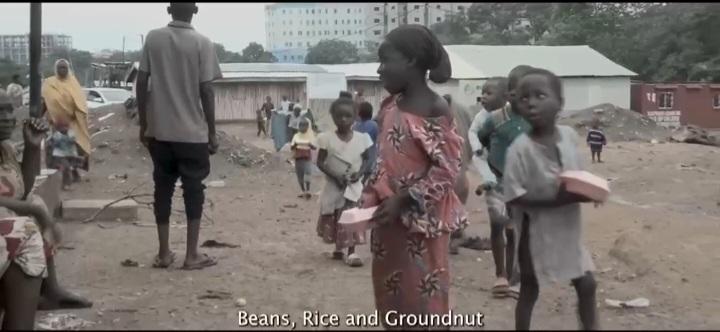
The appeal was made during a humanitarian visit by Lily Grace, a UK-based philanthropist and founder of Chat My Cause Farmers’ Initiative International. Deeply moved by the plight of displaced women and families, she expressed concern over their continued suffering and called for urgent action.
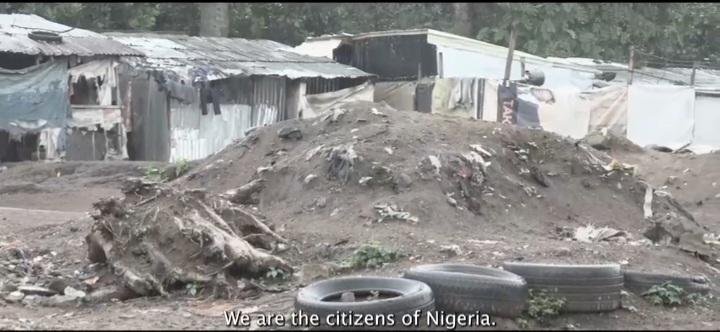
Originally from Cross River State, Lily Grace has long been an advocate for vulnerable women and children across Nigeria. During her visit, she urged the Federal Government, the National Refugee Commission, NEMA, the Ministry of Women Affairs, and other key stakeholders to prioritize the welfare of displaced women by providing accessible farmland—a step she described as critical for restoring dignity and building economic independence.
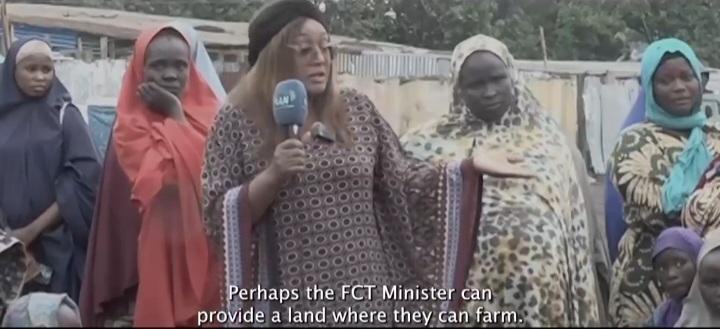
“These women are not asking for too much. All they are asking for is land to farm,” Lily Grace said.
“They don’t want handouts. They want dignity. They want the opportunity to work, to feed their children, and to live in peace.”
“These women have been abandoned by both the past and current government.”
She noted that many of the women have lived in displacement for over 12 years, yet remain in unstable conditions with no sustainable support systems.
“This is not just a temporary crisis — this is a long-term humanitarian failure,” she said.
“These women have been living in shanties, facing regular demolitions, and with zero access to land, even though farming is all they’ve ever known.”
Lily Grace called for coordinated government action, making a direct appeal to national and local leaders:
“I am appealing directly to the President, to the FCT Minister, and to all agencies involved — find a safe space, allocate land close to their shelters, and let these women farm,” she urged.
“Give them land, and we — through Chat My Cause — will support them with seeds, tools, and training. But we need the government to take the first step.”
Voices from the Camp
Halima Abubakar, the Women’s Coordinator at the camp, reinforced the urgency of the request.
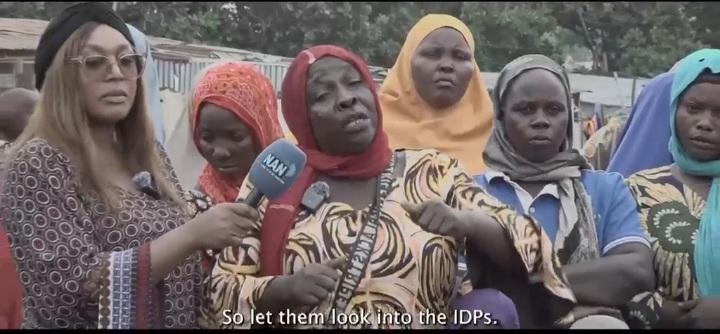
“We are farmers. It’s what we know. But here in the city centre, we have no access to land, no transport to go to distant farms. We’re just stuck,” she said.
Halima revealed that since their displacement in 2014, conditions at the camp have continued to deteriorate.
“We have over 3,500 women and children here. We depend on farming to take care of our families. Without land, we are helpless,” she said tearfully.
“Even when people help us, it’s not sustainable. What we need is land — even just small plots — so we can plant, harvest, and feed our children.”
Another woman at the camp, Liyatu Ayua, shared her deeply personal story of survival:
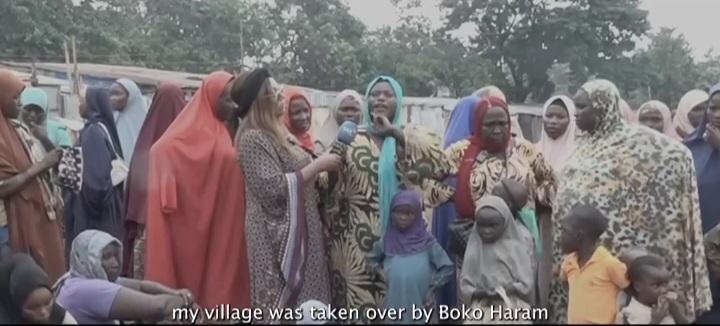
“All my people were killed. Only my father survived, and he is now hiding in another village,” she said.
“If we were in our villages, we would be farming and feeding our children. But here, we are just surviving in shacks. Come rain or sun, we sleep outside.”
Frustration and Hope from Fatima Abubakar and Aisha Bello
Two more residents, Fatima Abubakar and Aisha Bello, also expressed their pain and hopes for change.
Fatima shared:
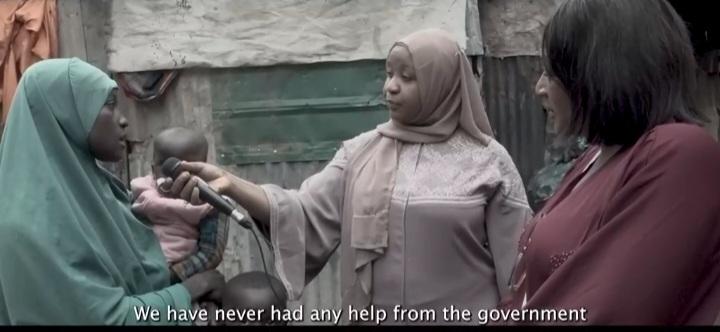
“Before the attacks, I had my own farm. We grew maize, groundnuts… I never begged anyone. Now, I can’t even feed my children without waiting for handouts.”
“It’s not that we are lazy. We want to work. We just don’t have the tools, land, or any place to start.”
Aisha Bello echoed the same frustration:
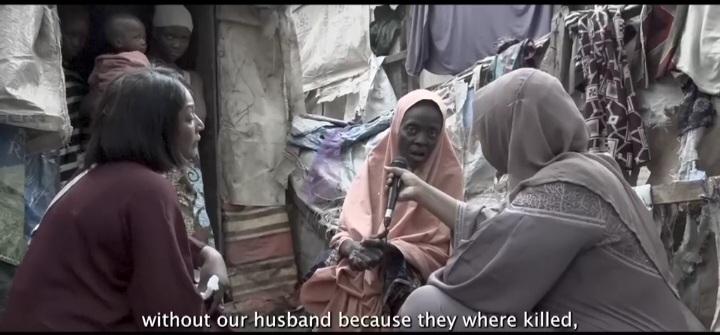
“Farming is what I know. If we had even small land near the camp, I could grow something,” she said.
“I don’t want my children to think hunger is normal. I believe one day, someone will hear us and help. I still keep seeds in a small jar… for that day.”
Words of Gratitude
Baba Idris Ibrahim Halilu, an elderly resident of the camp, expressed gratitude to Lily Grace and her foundation for remembering the forgotten:

“Aunty Lily Grace, congratulations for being found worthy by He who created us. Many are called, but very few are chosen,” he said.
“As for us the IDPs — whether in Durumi, Abuja or anywhere in Nigeria — IDP is IDP. We are at the lowest rank of the ladder in society.
We thank you for remembering us.”
A Final Plea
Lily Grace concluded her visit with a heartfelt appeal:
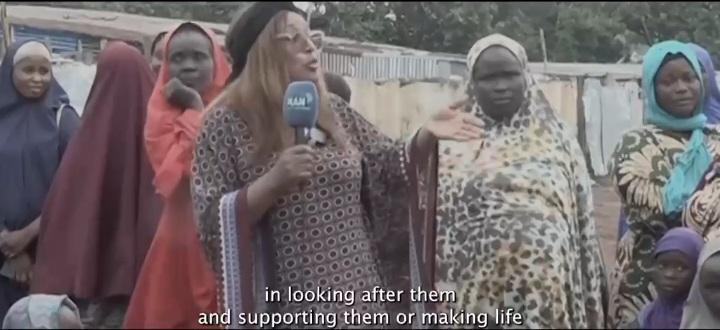
“I want to remind our leaders: these are your citizens. These are your mothers, sisters, and daughters. Don’t ignore their cry,” she said.
“Let us not wait for election season to remember these women. The time to act — is now.
The time to support our women is today.”
She also called on the private sector, development partners, and well-meaning Nigerians to collaborate in providing not just emergency support, but land and long-term livelihood solutions for displaced women across the country.
Efforts by Chat My Cause Farmers’ Initiative International to obtain comments from the National Commission for Refugees and NEMA were unsuccessful.(NAN)