




























Sen Imasuen urges littoral states to harness blue economy, commends Bayelsa model
The Chairman of the Senate Committee on Ethics, Privileges and Public Petitions, Senator Neda Imasuen, has urged littoral states in Africa to prioritise the development of their marine resources to create jobs, strengthen food security and promote sustainable economic growth.
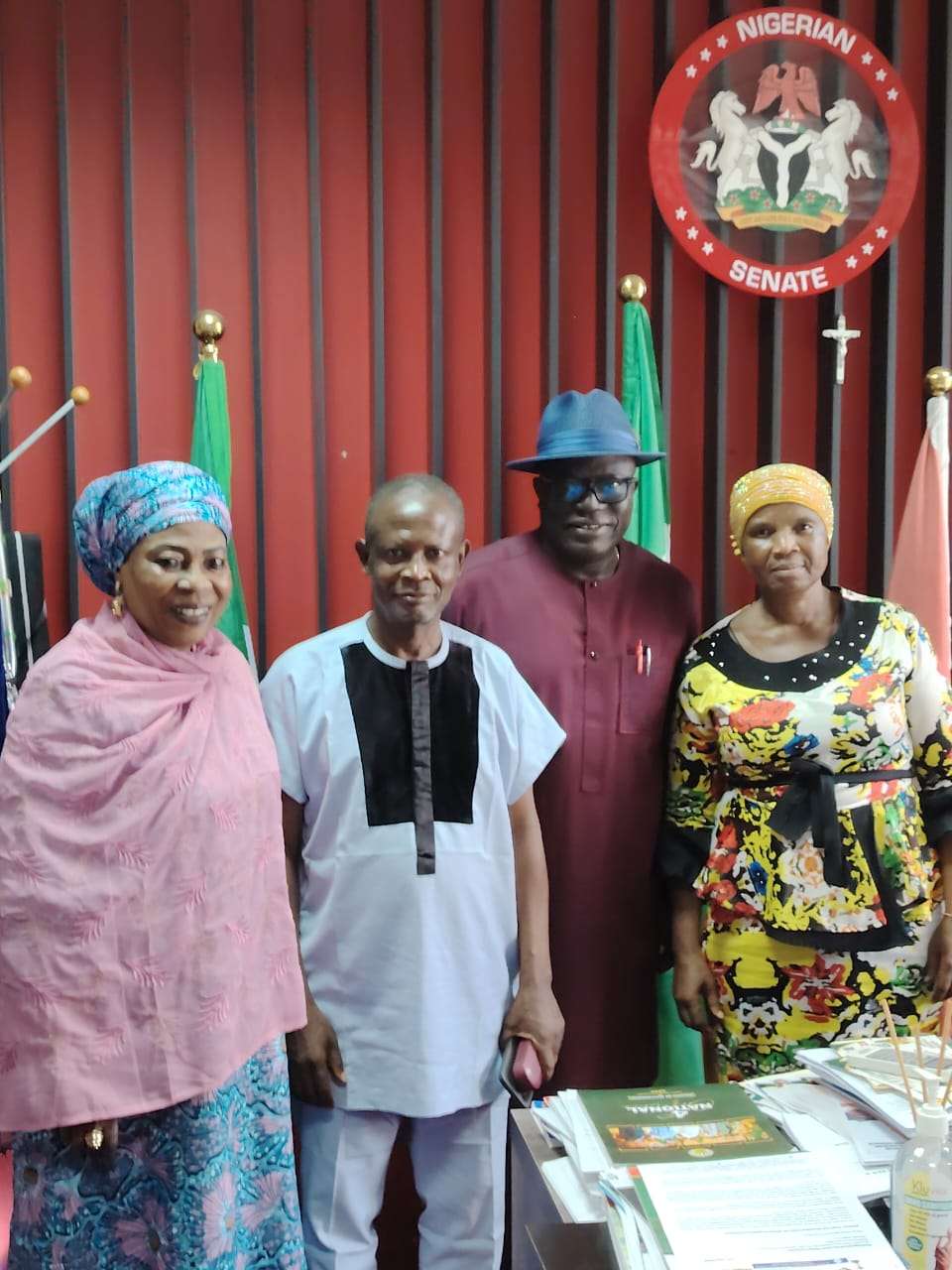
Imasuen, who represents Edo South Senatorial District, made the call on Tuesday when a delegation of the Africa Blue Economy Roundtable (ABER), led by its Founder and Convener, Dr Piriye Kiyaramo, visited him at the National Assembly in Abuja.
He said Nigeria’s 853-kilometre coastline and extensive riverine resources offered enormous opportunities for economic diversification beyond oil and gas.
The senator specifically identified sustainable fisheries, aquaculture, marine transportation, coastal tourism and mangrove conservation as areas requiring deliberate investment by governments of coastal states.
He commended Bayelsa State Governor, Senator Douye Diri, for his commitment to the blue economy, describing the creation of a Ministry of Marine and Blue Economy as a step other littoral states should emulate.
According to him, the pristine beaches and coastal resources of the Niger Delta could support luxury beachfront hotels and other marine tourism facilities if properly planned and developed.
Imasuen pledged to champion blue economy issues at the Senate and facilitate engagements between ABER and relevant committees, including those on Marine Transport, Local Content, Environment, Science and Technology, and the Niger Delta Development Commission.
He also accepted to serve as a patron of the organisation.
The senator further called for legislative measures to protect artisanal fishers, enforce the five-nautical-mile Artisanal Exclusive Zone and improve women’s access to cold-chain infrastructure for fish processing and preservation.
He described the blue economy as an important pathway to employment generation, food security and climate resilience, urging coastal communities and governments to take advantage of their marine resources.
Earlier, Kiyaramo said ABER was established as a flagship initiative of the BRACED Tourism Promotion and Development Initiative, with a presence across the five regions of the African Union and the Diaspora.
He said the organisation, which has offices in New Jersey and California in the United States and a liaison bureau in Abuja, was promoting a connected, competitive and community-owned blue economy across Africa.
Kiyaramo also drew attention to what he described as the blue justice gap in the Gulf of Guinea, noting that more than 70 per cent of artisanal fishers reportedly go to sea without adequate safety equipment.
He said West Africa loses about $2.3 billion annually to illegal, unreported and unregulated fishing, while more than 90 per cent of fisherfolk lack access to legal assistance or appropriate reporting channels.
Also speaking, the Director of Policy and Advocacy of ABER Women’s Forum, Dr Ezeadili Appolonia Obiageri, and the organisation’s Director of Communication and Public Affairs, Hajiya Madina Dauda Nadabo, commended Imasuen for receiving the delegation and his willingness to support the advancement of the
blue economy.