

















ABER Women’s Forum Secretary-General Calls for Greater Role for Women in Nigeria’s Blue Economy
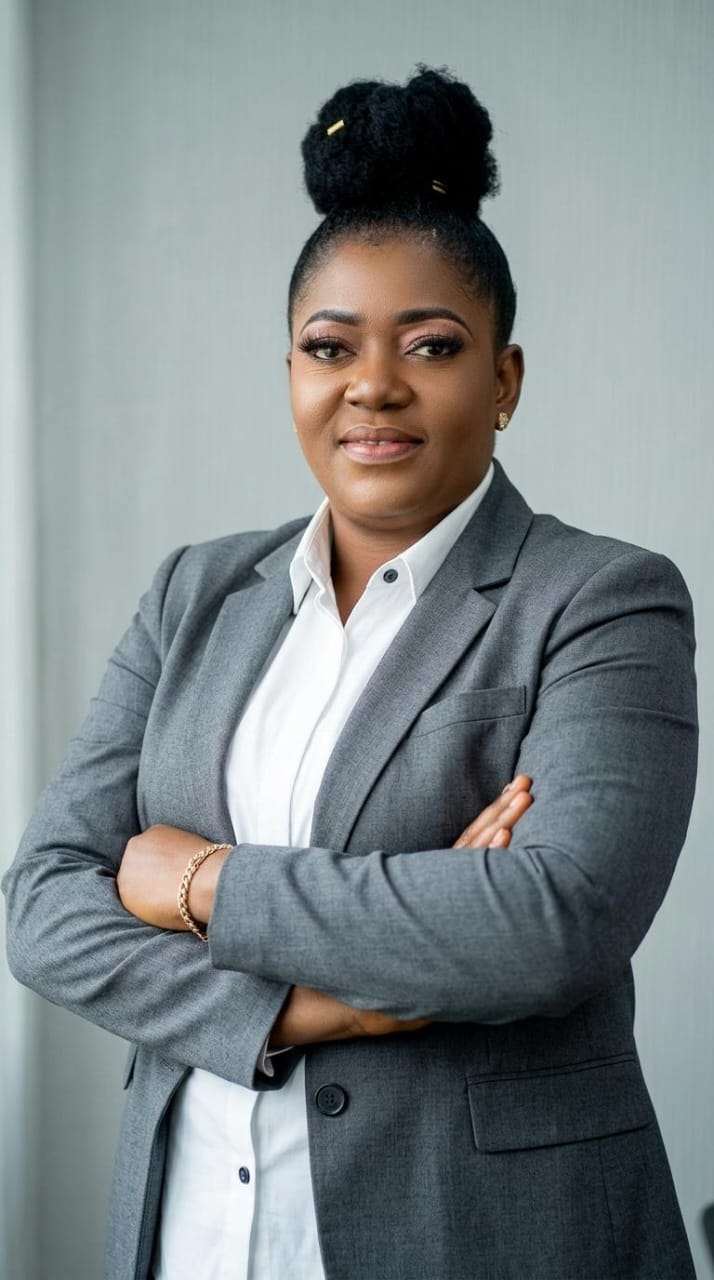
Dr. Chizoba Anyika, Secretary-General of the Africa Blue Economy Roundtable Women’s Forum, has called for greater inclusion of women in Nigeria’s blue economy.
Anyika made the call while speaking as a panelist at the Lagos International Maritime Week 2026.
She spoke on the theme: “From Policy to Practice – Role of Women in Eco-Tourism.”
Anyika said Nigeria’s maritime and tourism future was closely linked to its lagoons, beaches, mangroves, wetlands, islands and waterways.
She said the country’s rich coastal resources and cultural heritage remained significantly underdeveloped for sustainable tourism and economic opportunities.
The ABER Women’s Forum Secretary-General said women should be positioned as architects, investors, operators, policymakers and custodians of the blue economy.
“Women must no longer be viewed merely as beneficiaries of tourism development.
“They must be recognised as architects, investors, operators, policymakers and custodians of the tourism value chain,” she said.
Anyika defined eco-tourism as the combination of tourism, conservation, community participation and economic value.
She said eco-tourism should go beyond taking visitors to beautiful destinations to protecting natural and cultural resources.
According to her, it should benefit host communities, create decent livelihoods and generate sustainable economic value.
She noted that women possessed indigenous knowledge, culinary skills, cultural heritage, craft skills and entrepreneurial abilities.
However, many women operated informally without adequate financing, infrastructure, training, technology and access to markets.
“The challenge is not a shortage of resources. It is the absence of an integrated ecosystem that converts those resources into sustainable opportunity,” she said.
Anyika said the ABER Women’s Forum was committed to advancing women’s participation in the blue economy through advocacy and strategic engagement.
She proposed a clear pathway from policy to measurable impact: “Policy to Institutions to Investment to Infrastructure to People, Enterprise and Impact.”
According to her, properly developed coastal tourism destinations could create opportunities for women across several areas.
She listed hospitality, catering, transportation, tour operations, cultural entertainment, handicrafts, conservation and photography.
She also identified digital marketing, event management and destination services as areas capable of creating employment and entrepreneurship opportunities.
“One of the strongest arguments is that tourism development must go beyond building hotels,” she said.
She explained that a destination required safe waterways, functional jetties, reliable transportation, waste management, security and environmental protection.
It also required trained guides, effective destination marketing and other supporting infrastructure, she added.
Citing the Lagos Lagoon corridor, including Tarkwa Bay, Ilashe and surrounding coastal communities, Anyika said proper planning could transform the areas.
She said community participation could turn such locations into engines of tourism, enterprise and employment.
The maritime and coastal tourism advocate stressed that host communities should not be displaced by tourism development.
Instead, she said, they should participate in and benefit from tourism while helping to protect their natural and cultural resources.
She said conservation and commerce must be pursued together to ensure the sustainability of the blue economy.
“We must earn from nature without destroying the nature from which we earn,” she said.
Anyika called on governments to deliberately integrate women into tourism and blue-economy planning.
She urged financial institutions to provide accessible financing for women-led enterprises and training institutions to develop relevant skills.
She also encouraged private investors to view coastal tourism as a viable and sustainable economic sector.
“Above all, women must be given a seat at the table where decisions about the bl
ue economy are made,” she said.