





























By Desmond Ejibas
Port Harcourt – The Transmission Company of Nigeria (TCN) says 23 power projects were currently ongoing in six southern states of Abia, Akwa Ibom, Bayelsa, Cross River, Imo and Rivers states.
Some of the projects are funded by TCN, Niger Delta Power Holding Company (NDPHC) and the World Bank while others are funded under the National Integrated Power Project (NIPP).
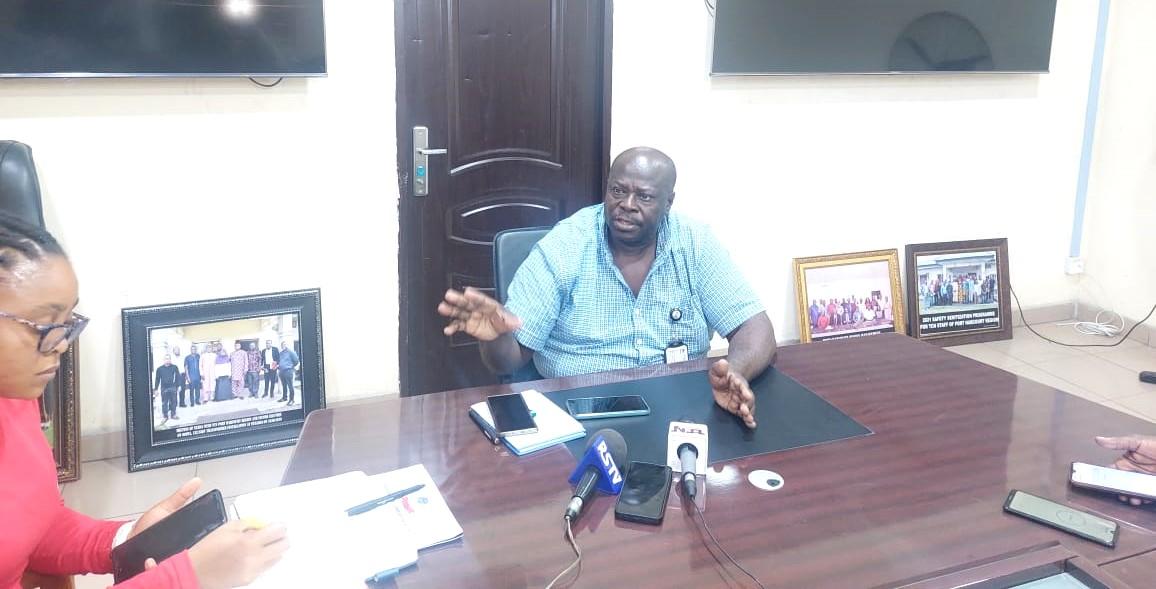
Dr Thomas Inugonum, General Manager, Port Harcourt Region, TCN, said at a news conference in Port Harcourt on Sunday, that the projects would boost electricity supply when completed.
He said of the 41 projects in the six states, that 23 projects were ongoing; 15 completed and three projects in the proposition stage.
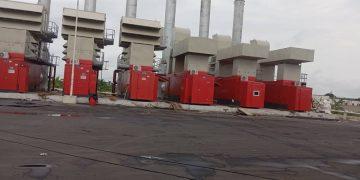
“The ongoing projects are reconductoring of 18km Main-PH Town 132kv DC line and installation of 100MVA 132/33KV Transformer with 80 megawatts (mw) capacity, both in Port Harcourt, among others.
“In Afam, Rivers, we have six projects ongoing, including the Afam-Onne 330kv DC lines and Afam-Ikot Ekpene 330 DC lines while in Aba, we are reconductoring 10km Alaoji-Aba 132kv DC line.
“In Ugep, Cross River, construction of 2x60mva 132kv substation with capacity to generate 96mw is ongoing and the construction of 2x60mva 132/33kv station is in ‘groundbreaking’ phase,” he said.
Inugonum said the installation of 100mva 132/33kv transformer with 80mw capacity in Itu, Akwa Ibom, sponsored by the World Bank had attained 5 per cent completion.
Others are installation of 100mva transformer/ four 33kv feeders with 80mw capacity and another installation of 100mva 132KV/33kv transformer both in Port Harcourt and bankrolled by the World Bank.
According to him, the two 100mva transformers have been installed but were yet to be energised.
“Similarly, the Erosion control at T20 in Eket-Ikot Abasi 132kv DC line is 20 per cent completed.
“In Owerri, NDPHC is upgrading 132kv to 330kv sub-station with 2x150mva 330/132kv transformer and 2x60mva 132kv transformer and 33kv Switchyard, among other projects.
“Presently, TCN capacity is 8,100mw of the about 13,000mw generated.
“We are supposed to have about 15,000mw but we are unable to meet this capacity due to weak and aging infrastructure – with many constructed over 50 years ago,” he added.
Inugonum said that transmission of electricity was an important sector in the power chain of generation, transmission, and distribution of electricity.
The general manager bemoaned the incessant attacks on its facilities and called on the media to sensitise and create awareness of the consequences of destroying its facilities.
“In some of our stations, vandals have cut earth-conductors of big transformers that cost about N800 million resulting in the ‘floating’ of the facility.
“There are projects that has lasted almost 20 years in Okigwe and Mbano, Imo, and in other places, that have not been completed partly because criminals vandalise the stations.
“We do not understand why people vandalise our facilities considering that electricity is for everybody,” he said.
He said if transmission power lines are vandalised, and in the process, it falls on top of about 100 houses, that no occupants of those houses would make it alive.
According to him, the daily attacks on its facilities across the six states were impacting negatively on concerted efforts to bring uninterrupted electricity supply to Nigerians.
“In just two months, we have lost several of our transmission lines in Odukpani (Cross River) and in Elelenwo in Rivers state.
“A 60mva cost about N1.2 billion for one while a span of 132kv of our transmission line cost about 330,000 US dollars each – making our losses unquantifiable and humongous.
“It’s unfortunate that people vandalise facilities worth billions only to melt the metals they cut to construct gates, pots, and cups. It’s just wickedness,” he noted.
Inugonum said some persons have been arrested in connection with destruction of its facilities while a few of them prosecuted by the courts.
On his part, TCN’s Assistant General Manager, Port Harcourt Sub-Region, Benneth Ezemobi said plans to add 100mw of electricity in Rivers were in top gear.
“Currently, we have slightly less than 400mw, but by 2025, we would have been able to meet our 500mw target for Rivers State,” he added.